
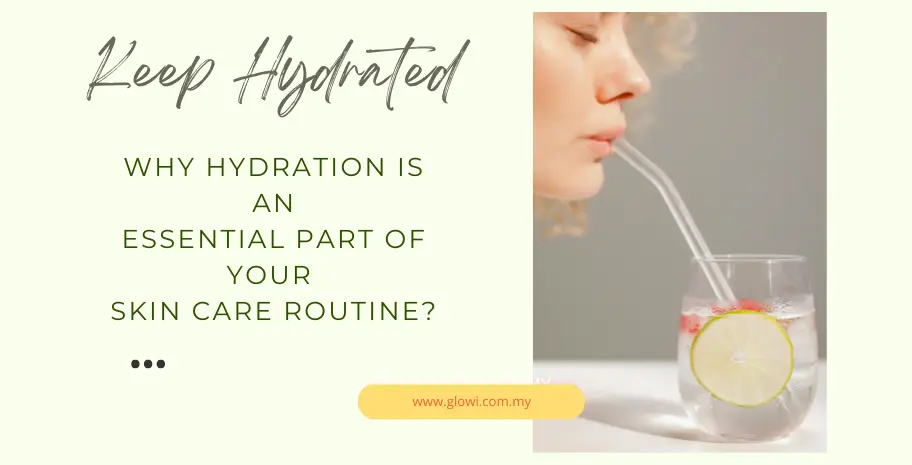
Why Hydration Is an Essential Part of Your Skin Care Routine?
If you're like most people, you probably don't think about hydration until you start to feel thirsty. Have you experienced any skin problems? Well, that might be why. And while it's important to drink plenty of fluids throughout the day to stay hydrated, what you put on your skin is also crucial for keeping it healthy.
Hydration: Why Is It Important?
The skin is your body’s largest organ, and it requires care and nourishment to function properly. Hydration helps by:
- Preventing premature aging: Research suggests that staying hydrated can slow down the aging process. It can reduce the appearance of wrinkles and fine lines. Hydration helps keep your skin cells healthy, promoting a youthful complexion.
- Improving Skin Elasticity: Staying hydrated is important for improving skin elasticity because it helps the skin retain moisture and produce collagen and elastin, the proteins that keep skin firm and elastic.
- Promoting Healing: For people with sensitive skin or conditions like eczema, hydration soothes the skin and aids in healing, providing relief from irritation and inflammation.
- Strengthening the Skin Barrier: Dehydrated skin is more prone to sunburn and other forms of UV damage. Hydration can help protect your skin from the harmful UV rays.
- Maintaining Balance: Hydration can also help control oil production, skipping this step can cause the skin to produce more oil to compensate for the lack of hydration, leading to breakouts.
When and How to stay hydration:
For optimal results, hydration should be part of your daily skincare routine:
Morning: Apply a lightweight hydrating serum after cleansing and before applying sunscreen or makeup, and best is to apply sunscreen with hydration function. This prepares the skin for the day by locking in moisture and providing a smooth surface for makeup.
Night: At night, use a richer hydration moisturizer to repair and rejuvenate the skin while you sleep. This is when the skin goes into recovery mode, and a nourishing cream can make a big difference. Look for lightweight, oil-free, or gel-based hydration moisturizers that won’t clog pores.
After Showering: Immediately after bathing, apply hydration moisturizer while your skin is still damp. This helps to trap moisture and keep your skin soft and supple.
Hydration Tips
Beyond store-bought moisturizers, you can improve your skin’s hydration by incorporating these habits:
1. Drink Plenty of Water: Hydrated skin starts from within.
2. Use a Humidifier: Especially in the winter months, using a humidifier can add moisture back into the air, preventing your skin from becoming dry.
3. Avoid Hot Showers: Though relaxing, hot water can strip your skin of its natural oils. Opt for lukewarm showers to prevent drying out your skin.
4. Avoiding UV rays: UV rays, penetrate deep into the skin and break down collagen and elastin, weakens skin's moisture barrier which lead to dryness and dehydration.
_____________
Q&A Section
Q: How often should I hydrating my skin?
A: You should hydrate at least twice daily—once in the morning and once at night. If your skin feels tight or dry throughout the day, you can apply more frequently.
Q: Can hydration/ moisturizing cause breakouts?
A: Not necessarily. Breakouts typically occur due to clogged pores. Choose a light-weight moisturizer that won’t block your pores, especially if you have acne-prone skin.
Q: Should I apply hydration before or after applying sunscreen?
A: Apply hydration first, then apply sunscreen. Hydrate the skin, while sunscreen provides protection from UV damage and total protection.
Q: Can I use the same hydration for my face and body?
A: Facial skin is more delicate and sensitive than the skin on your body. It’s best to use a product specifically formulated for your face to ensure you’re meeting your skin’s unique needs.
Q: How do I know if my hydration is working?
A: Signs that your hydration is working include smoother, softer skin and a reduction in dryness or flakiness. If you still experience dryness or tightness, consider to apply more frequently or change to a hydration products that consist richer hydration ingredients.